
A cat that urinates outside its litter box, a dog that destroys the couch in your absence, a rabbit that refuses to eat its pellets: most of the problems faced by pet owners stem from an unidentified need. Caring for your pet starts with learning to read its signals before seeking ready-made solutions.
Stress signals in dogs and cats: what the body says before the damage
A dog that pants without physical exertion, licks its lips repeatedly, or turns its head away when approached is expressing discomfort. In cats, the signal often comes through a change in posture: flattened ears, low tail, or dilated pupils in a calm environment.
These micro-signals are often overlooked because they do not yet cause visible damage. The problem arises later when chronic stress manifests as digestive issues, aggression, or uncleanliness.
Observing your pet at rest reveals more than observing it in crisis. Get into the habit of mentally noting its posture when it sleeps, when it eats, when you come home. Any lasting deviation from these benchmarks deserves attention. Resources like amisdesbetes.info can help analyze these behaviors on a daily basis.
Appropriate pet food: beyond standard kibble
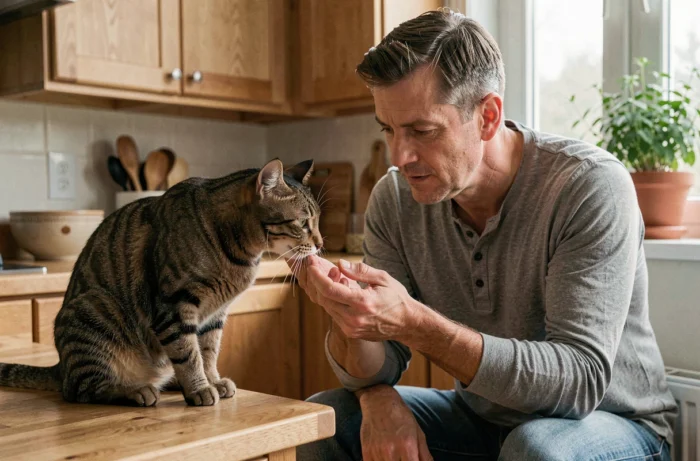
We often buy the same bag of kibble for years without questioning whether the formula still meets the animal’s needs. A seven-year-old neutered dog does not have the same nutritional requirements as a growing puppy. An indoor sedentary cat needs a significantly lower caloric intake than an outdoor cat.
Three criteria to evaluate a diet
- The rate of animal proteins: it should be listed first in the ingredient list, not after a grain or a plant by-product
- Suitability for life stage: kitten, adult, senior, pregnant; each phase alters the needs for calcium, phosphorus, and fats
- Digestive tolerance: persistent soft stools, excessive flatulence, or a dull coat often signal an inappropriate diet, not a disease
Changing a pet’s diet should be done over about ten days, by gradually mixing the old and new food. A sudden transition almost always leads to digestive issues, regardless of the product chosen.
Neutering and identification: two veterinary actions that change the game
The national study published by the SPA and the Affinity Foundation confirms that shelters had to refuse animals due to lack of space in 2025. Cats represent the majority of cases, and many of them are unwanted young kittens.
Neutering is not just about reproduction. In female cats, it reduces the risk of mammary tumors. In male dogs, it limits escapes related to the heat of nearby females, a frequent cause of loss and accidents.
Identification by microchip is mandatory in France for dogs and cats. Without it, a found stray animal cannot be returned to its owner. The procedure is done at the veterinarian’s office in a few minutes, without general anesthesia.
Anticipate before adopting, not after
The study reported by Franceinfo shows that changes in personal or professional situations are among the stated reasons for abandonment. Behavioral difficulties are also cited for dogs.
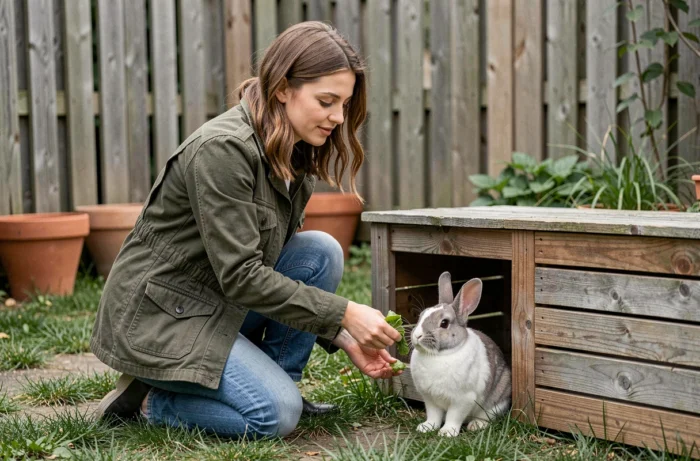
Before welcoming a pet, it is beneficial to ask concrete questions: who will take care of it during vacations, what monthly budget to allocate for veterinary care, do you have enough space for the chosen species. Planning for a care solution and educational support from the start significantly reduces the risk of abandonment.
Hygiene and parasites: a schedule rather than a reaction
Treating your dog for fleas when it is already scratching is too late. External parasites (fleas, ticks) and internal ones (roundworms, flatworms) follow seasonal cycles that can be anticipated.
- External anti-parasitic treatment: to be renewed according to the duration of action of the product used, usually every month during warm periods
- Worming: two to four times a year for an adult, more frequently for a puppy or kitten
- Inspection after walks: check the spaces between the pads, inside the ears, and around the eyes for ticks and grass seeds
- Oral hygiene: tartar accumulates in dogs from about three years of age; chew bones or dental sticks help limit deposits
Rinsing your pet with clear water after swimming in the sea or a river protects its skin from irritation. Salt and microorganisms present in stagnant water can cause dermatitis that is sometimes wrongly attributed to a food allergy.
When to consult the veterinarian urgently
A pet that stops eating for more than 24 hours, vomits repeatedly, has blood in its stools or urine, or remains lethargic requires prompt consultation. The time between the first symptoms and treatment often changes the prognosis, especially for poisoning (chocolate, antifreeze, toxic plants).
Cats hide pain remarkably well. A cat that hides more, purrs without social interaction, or eats less is not simply “in a bad mood.” In cats, any change in behavior lasting more than two days warrants a veterinary opinion.
Caring for a pet relies less on spectacular gestures and more on regular attention to what it expresses. A diet reassessed each year, a respected anti-parasitic schedule, and attentive daily observation cover the vast majority of needs. The rest is about connection, and that requires no budget.