
Getting back in shape without giving up the pleasure of eating is based on a simple principle: choosing foods with high nutritional density and mastering cooking methods. Light recipes are not bland recipes, provided you understand how fats, proteins, and fibers interact on the plate.
Fats in light recipes: reduce without eliminating
Eliminating fats to cook light is a common mistake. Anses reminds us in its update of the PNNS guidelines (2017) that fats are still necessary, particularly for the absorption of fat-soluble vitamins and the intake of essential fatty acids.
The effective strategy is to replace saturated fats with unsaturated fats. Specifically, a drizzle of olive or rapeseed oil in a salad, a few crushed nuts on a vegetable velouté, or a steamed salmon fillet provide the necessary fats without weighing down the meal.
For cooking methods, papillote and wok allow for limiting the addition of fat while preserving flavors. A chicken marinated in lemon and herbs, cooked in papillote, develops much more intense aromas than chicken simply sautéed in butter. On the weight loss site of La Cuisine de Watoote, this type of approach is reflected in concrete recipes suitable for everyday life.
Legumes and nuts: underestimated weight loss allies
Classic weight loss recipes revolve around grilled chicken and green salad. However, Santé publique France recommends increasing the consumption of legumes and unsalted nuts, two categories often absent from light menus.
Lentils, chickpeas, and dried beans provide protein and fiber for a moderate caloric intake. A dish of red lentils with curry and fresh spinach makes for a filling dinner that satisfies without exceeding a high caloric threshold.
Anses specifies that it is not necessary to combine grains and legumes at every meal. A varied diet throughout the day is sufficient to meet amino acid needs. This information changes how to compose weekly menus: an evening meal based on roasted chickpeas and grilled vegetables is self-sufficient.
Three simple combinations for everyday life
- Warm salad of green lentils, grated beetroot, and fresh goat cheese, dressed with a walnut oil vinaigrette
- Homemade hummus (chickpeas, tahini, lemon, garlic) served with raw vegetable sticks for a quick evening meal
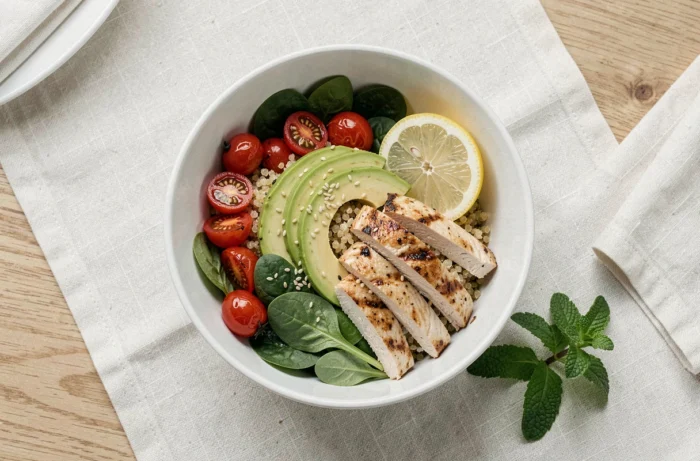
- Quinoa bowl with red beans, avocado, and fresh cilantro, enhanced with a splash of low-sodium soy sauce
Sweeteners and sweet taste: what the WHO recommends
Replacing sugar with calorie-free sweeteners seems logical when trying to lose weight. However, the World Health Organization published a recommendation in May 2023 that goes against this: do not use non-sugar sweeteners to control weight or prevent chronic diseases, due to a lack of demonstrated long-term benefits on body fat.
The WHO recommendation favors another approach: gradually reducing the overall sweet taste of the diet. In practice, this means slowly decreasing the amount of sugar in plain yogurt or homemade applesauce, rather than replacing it with stevia or aspartame.
Light desserts without sweeteners
A satisfying dessert can rely on the natural flavor of fruits. Crushed strawberries with a bit of fresh mint and a spoonful of cottage cheese, or homemade applesauce without added sugar with cinnamon, offer a delicious end to the meal.
Oven-roasted fruits (peaches, apricots, figs) concentrate their natural sugars during cooking and develop a melting texture reminiscent of an elaborate dessert. A few minutes are all it takes.

Creating a balanced menu for the week without monotony
Regularity is more important than the perfection of an isolated meal. Varying protein sources throughout the week (fish, poultry, legumes, eggs) prevents boredom and covers a broader nutritional spectrum.
A typical menu over three days could alternate as follows:
- Monday evening: cod fillet in papillote, leek fondue, brown rice
- Tuesday evening: mushroom omelet and lamb’s lettuce salad, whole grain bread
- Wednesday evening: red lentil soup with turmeric, fresh cheese toast
The Mediterranean model, which emphasizes vegetables, fruits, olive oil, fish, and whole grains, serves as a recognized reference framework. It is not a restrictive diet but a sustainable way of eating, compatible with the pleasure of cooking.
The trap of a too-light evening meal
Skipping dinner or settling for a clear soup may seem effective. However, an evening meal that is too low in protein and fiber often leads to late-night cravings. A light yet complete dinner stabilizes satiety until the next morning.
A bowl of roasted vegetables (zucchini, bell peppers, onions) with sliced chicken and a handful of pumpkin seeds makes for a quick, filling, and balanced dish, prepared in under thirty minutes.
Cooking light on a daily basis does not require special skills or rare ingredients. The most effective recipes for getting back in shape are those that you prepare regularly, with simple products and cooking methods that preserve flavor. The last reflex to adopt: always taste before seasoning, because a well-cooked dish often needs less salt and fat than one might think.