Brittany has a density of festivals, exhibitions, and live performances that far exceeds the summer tourist framework. Behind the major media-covered events, the Breton cultural scene is undergoing a profound transformation, driven by new budgetary constraints and an ecological redirection that alters the very nature of the events.
Ecological Redirection of Breton Festivals: Beyond Green Gestures
Cultural agendas typically list the dates and locations of festivals without documenting what happens behind the scenes. Several Breton festivals are reorganizing their model around what some organizers call ecological redirection, a term that refers to a structural change rather than simply the addition of reusable cups.
This transformation is manifested concretely: fewer scheduled productions, more sharing of resources between organizations, and changes in event formats. The shift from an accumulation logic (more concerts, more stages) to a chosen sobriety logic alters the public’s relationship with cultural offerings.
In Rennes, a documented partnership between a festival and the company EvenTerra illustrates this trend. The initiative relies on solar sound systems with very low consumption and the systematic reuse of stage materials. The announced goal for 2025 aims to gradually cover most of the festival’s logistical transport needs by bike, with an extension to the transportation of certain artists within the metropolitan area. This type of experimentation remains largely invisible in traditional cultural calendars, even as it transforms the experience for festival-goers.
Following the news on Culture Bretagne allows one to spot these initiatives before they are picked up by mainstream media.
Budgetary Constraints and Cultural Programming in Brittany
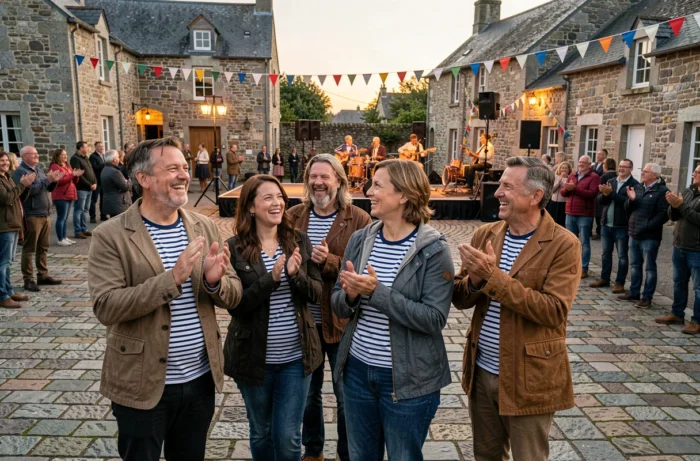
Breton local authorities are facing financial decisions that directly impact cultural programming. The decrease in state funding to local authorities, combined with rising technical costs (energy, artist fees, security), places organizers in a state of constant tension.
This budgetary pressure produces visible effects on the ground:
- Festivals that reduce their duration by one or two days while maintaining the quality of their programming, even if it means concentrating the highlights
- An increasing sharing of technical resources between events in the same department, particularly in Morbihan and Côtes-d’Armor
- The development of artistic residencies in the region, such as those supported by the Cultures Vivaces initiative, which anchor creation in the long term rather than in one-off events
Field feedback varies on the actual impact of these cuts. Some organizers believe that constraints stimulate creativity, while others warn of a risk of impoverishing offerings in rural areas, where culture plays a role as a social link that is hard to replace.
Cultural Third Places and New Breton Scenes
The Breton cultural map is no longer limited to municipal performance halls and converted chapels. A network of third places with cultural purposes is gradually taking shape, offering hybrid spaces between creative workshops, dissemination venues, and collective living spaces.
In Brest, the art venue La Piscine has benefited from funds from the participatory budget to improve comfort and accessibility for the public. This type of citizen funding, still marginal a few years ago, is becoming a concrete lever for structures that do not fit into the traditional boxes of cultural grants.
In rural areas, the trend is similar. In Kerminy, the Assembly of Soils hosted artistic residencies that intersect contemporary art and reflections on agricultural land use. Along the Rance, a festival set up a floating house for a month to offer performances and meetings in an immersive format, far from conventional stages.
These places blur the boundary between exhibition, live performance, and community engagement. Their programming does not always appear in institutional agendas, making it more difficult for the public to find them.
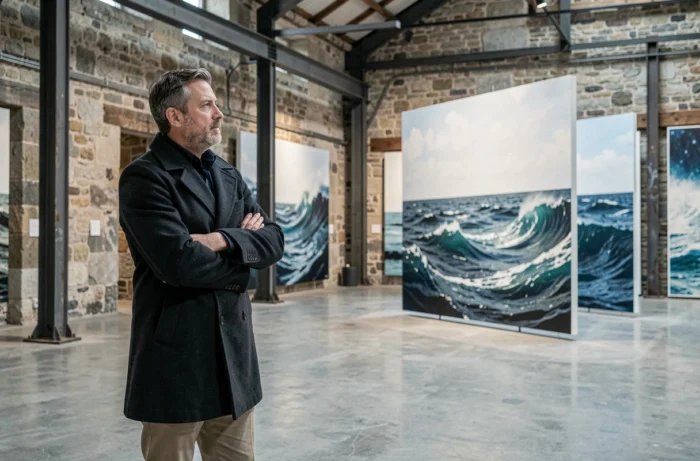
Exhibitions and Contemporary Art: What Brittany Programs Beyond Festivals
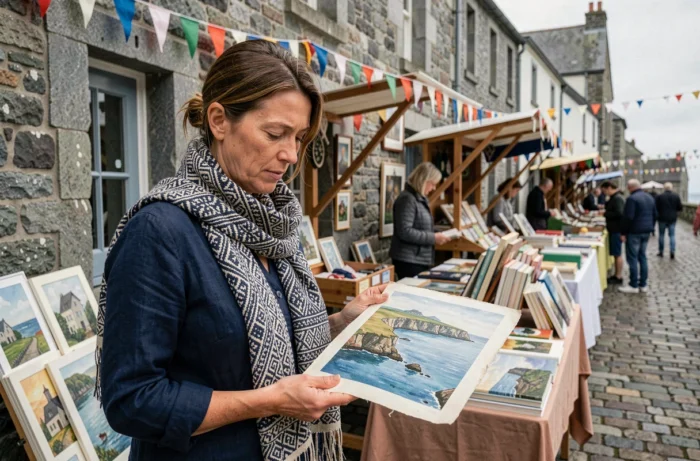
The Breton artistic scene is not limited to music festivals. Morbihan, Ille-et-Vilaine, and Finistère host exhibitions that are worth the trip, even outside the summer season.
At Le Dôme in Saint-Avé, Morbihan, the exhibition Inter-tissées showcased sculptural work that revives the memory of residents through monumental textile works. This type of project, rooted in a specific territory, creates a dialogue between contemporary art and local heritage without falling into folklore.
The available data does not allow for a comprehensive overview of all the exhibitions scheduled throughout the year. Calendars vary from one department to another, and the smallest organizations often communicate late about their programming. In contrast, larger municipalities like Saint-Brieuc Armor or Rennes Métropole publish cultural activity reports that document the offerings with precision.
Spotting Events Outside the Usual Circuits
The most original Breton cultural events often escape traditional search engines. Artistic residencies in the region, micro-festivals in rural areas, and events organized by third places do not benefit from the same visibility as major events like Route du Rock or Festival des Vieilles Charrues.
To find them, three reliable avenues remain:
- The websites of departmental tourist offices, which aggregate events by theme (cinema, performance, fair, activities)
- The networks of Breton cultural third places, which publish shared calendars
- The activity reports of intercommunalities, accessible online, which list financially supported events
The cultural richness of Brittany is measured as much by its large festivals as by this network of micro-events that nourish rural communities throughout the year. The challenge remains to make them visible to an audience that does not always know where to look.