Organizing a family trip involves finding activities that work for children of different ages, sometimes for grandparents who join the group, and for adults who also want to enjoy the stay. The choice of destination matters, but it is often the nature of the activities offered on-site that determines the success of the vacation.
Multigenerational Travel: A Family Format That Changes the Game
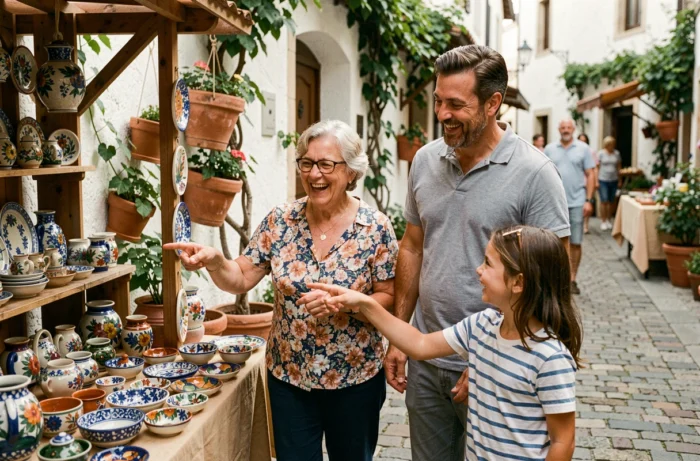
The trend of multigenerational travel, where grandparents, parents, and children share the same trip, has become firmly established. Travel Weekly documents this structural increase in 2025. This format concretely changes the type of activities to prioritize: there need to be compatible rhythms, varying levels of effort, and moments where each generation finds its enjoyment.
A wildlife park suits a four-year-old child just as much as a seventy-year-old grandparent. A coastal hike with a picnic works if the elevation gain remains moderate. However, a treetop adventure course or a canoe-kayak session often excludes part of the group. The classic pitfall is to stack activities designed for children without considering the physical constraints or desires of the other participants.
To identify ideas suitable for this type of configuration, browsing the activities on Babar Autour du Monde allows you to spot formats designed for family groups with varied profiles.
Outdoor Activities: What Really Works with Children
Outdoor leisure remains the foundation of family vacations. The challenge is not finding a nature activity, but choosing one that won’t fizzle out after twenty minutes because a child is bored or another is too tired.
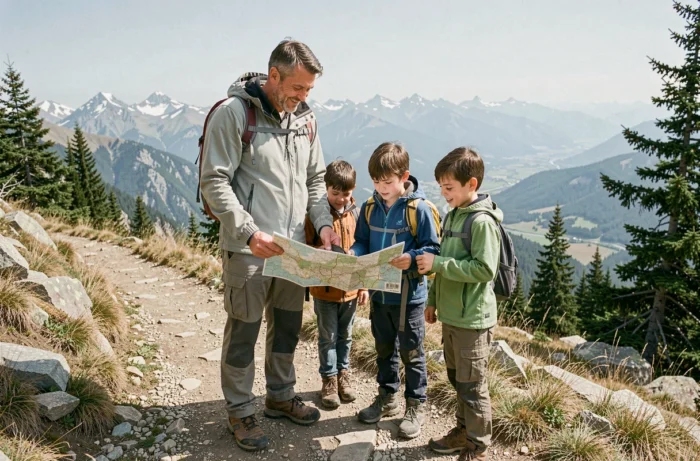
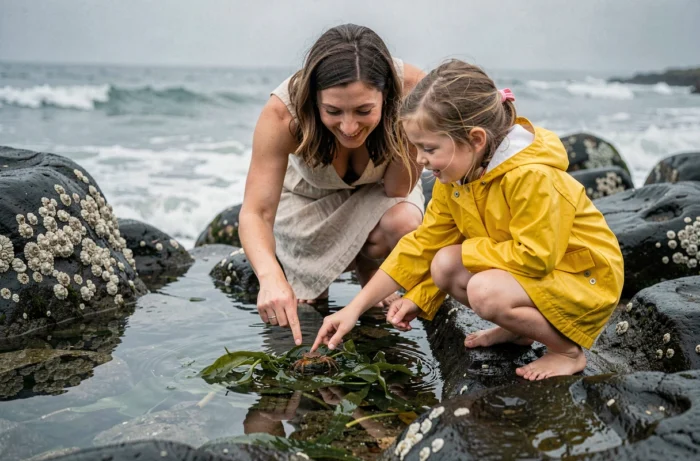
Short activities with a concrete goal capture children’s attention better than a simple contemplative walk. Tide pooling on the coast, for example, combines exploration, small collecting, and direct observation of wildlife. A mushroom foraging outing in the forest in autumn follows the same logic: search, identify, collect.
Water activities (calm water paddleboarding, river swimming, lake kayaking) offer a clear advantage in summer: they keep children occupied for a long time without them asking for something else. The beach remains a safe bet, provided it is not the only focus throughout the stay.
- Outings with a local naturalist guide, who turns an ordinary walk into an observation game (birds, animal tracks, edible plants).
- Temporary construction workshops (forts, rafts, land art) offered in certain natural parks in France, suitable from age five or six.
- Visits to educational farms with participation in animal care, a format that works particularly well for younger children.
Offers Suitable for Families with Neurodivergent Children
A rarely addressed angle in family travel guides concerns families with a child who has a particular sensory profile. The National Autistic Society reports in 2025 a growing number of museums, parks, and attractions that develop quiet slots and inclusive pathways.
Sensorially adapted sessions reduce noise, light, and crowds to allow for a visit in more comfortable conditions. Some amusement parks in France and Europe now offer dedicated hours, with less background music and trained support.
This type of provision is not only for autistic children. Families with very young children or those who prefer less stimulating environments also benefit. Before booking an activity, checking if the venue offers appropriate support can prevent an outing that turns into a fiasco.
Documents and Permissions: Often Overlooked Practical Constraints
Several European destinations have updated their requirements regarding travel with children. Parental permission to leave the country has become mandatory again in France for minors traveling without both parents. This document, accompanied by a copy of the identity card of the signing parent, is required at borders.
Other countries impose specific formalities. Some require a translated birth certificate, while others ask for a notarized letter from the absent parent. Field reports vary on the degree of actual control at border posts, but traveling without these documents exposes one to the risk of being denied boarding or entry.
- Check the validity of passports and identity cards for each family member at least two months before departure.
- Download the parental permission to leave the country form from the official French administration website.
- Inquire about the requirements of the destination country via the Ministry of Foreign Affairs website, under travel advice.
Choosing Family Activities Based on the Actual Age of Children
Vacation guides often segment activities by broad age ranges (0-6 years, 6-12 years, teenagers). This division masks considerable gaps in maturity and endurance. A seven-year-old and an eleven-year-old do not keep the same pace on a full day of excursions.
For families with children of varying ages, alternating a physical activity in the morning with free or cultural time in the afternoon avoids collective exhaustion. Urban treasure hunts, offered in many cities in France through apps or tourist offices, work well because everyone participates at their level.
Teenagers quickly disengage from activities perceived as childish. Assigning them a role (trip photographer, GPS navigator, snack budget manager) involves them without forcing them into a family mold they reject by principle.
The choice of activities for family travel relies less on the destination than on the ability to adapt the program to the actual group that is going. A well-calibrated outing, with a clear goal and a reasonable duration, leaves better memories than an accumulation of prestigious visits where half the group drags their feet.