Ukraine is among the richest destinations in Europe in terms of architectural heritage, landscape diversity, and living traditions. However, the hidden treasures of Ukraine remain inaccessible to leisure travelers today: France maintains a “strongly advised against” travel warning for any movement within Ukrainian territory, updated in September 2026. How can we assess the real tourist potential of these regions in light of the restrictions that apply to the entire country?
Restriction Levels by Area: Comparative Table of Western Advisories
Three major governments regularly publish updated travel advisories on Ukraine. Their classifications do not exactly overlap, which creates frequent confusion among travelers consulting multiple sources.
| Source | Overall Level Ukraine | Western Oblasts (Lviv, Zakarpattia, Ternopil, Ivano-Frankivsk, Chernivtsi) | Last Update |
|---|---|---|---|
| France (MEAE) | Strongly advised against | Strongly advised against | September 2026 |
| United States (Dept. of State) | Level 4 – Do Not Travel | Level 4 – Do Not Travel | August 28, 2026 |
| United Kingdom (FCDO) | Advise against all travel | All but essential travel | September 2026 |
The United Kingdom makes a distinction that neither France nor the United States does: the five western oblasts are classified one level below the rest of the country. This nuance does not constitute an invitation to travel, but it reflects a slightly differentiated risk assessment for these border regions with Poland, Romania, and Hungary.
The warnings specifically mention missile and drone strikes, power outages, and disruptions to transport services. No timeline for a return to normalcy is indicated by the consulted authorities.
To prepare for a future trip to Ukraine when conditions allow, specialized resources like ukrtravel.net gather updated information on potential destinations and tours within the country.
Ukrainian Heritage to Know Before the Tourist Reopening
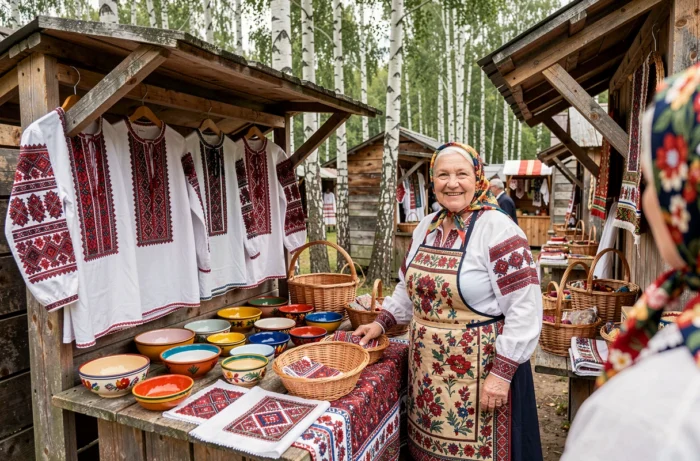
Preparing a trip to Ukraine before restrictions are lifted allows for targeting specific destinations rather than following the classic Kyiv-Lviv-Odesa routes. Several regions concentrate architectural and natural heritage that general guides rarely mention.
Ukrainian Carpathians and Zakarpattia
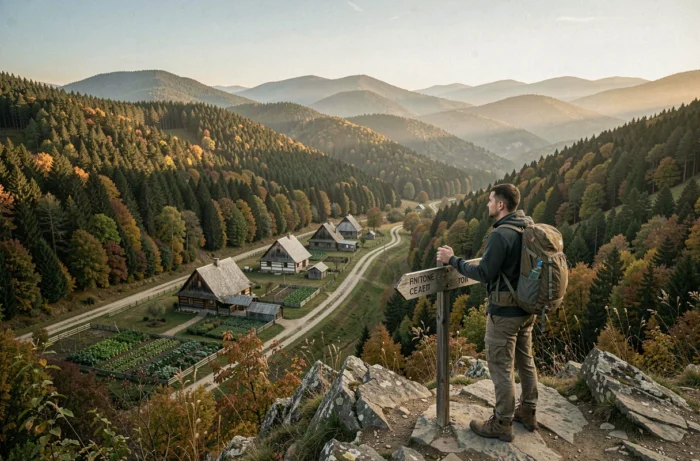
The Zakarpattia region, bordering Slovakia and Hungary, is home to wooden churches listed as World Heritage sites. The mountain villages preserve traditions linked to the Hutsul and Boyko communities, featuring vernacular architecture distinct from the rest of the country.
The relief of the Ukrainian Carpathians offers medium mountain hikes in little-frequented valleys, even in peacetime. It is one of the areas where the UK applies the “all but essential travel” classification rather than a total ban.
Ternopil and Ivano-Frankivsk: Fortified Cities and Religious Heritage
These two oblasts house medieval fortified ensembles, monasteries, and synagogues that testify to the historical diversity of the region. The castles of western Ukraine remain largely unknown to French-speaking travelers, overshadowed by those in the Loire Valley or Transylvania.
The cities of Kamianets-Podilskyi (adjacent Khmelnytsky oblast) and Berezhany illustrate a layering of Polish, Austrian, and Ottoman architectural influences on the same site.
Discrepancies Between Tourist Potential and Actual Accessibility
The analysis of travel advisories reveals a paradox: the areas with the best-preserved heritage (western Ukraine) are precisely those where the risk level is assessed as relatively lower, yet still deemed unacceptable by French or American authorities.
Several factors condition the feasibility of a stay, even in the western oblasts:
- Aerial strikes affect the entire territory, including remote areas from the front line, with frequent alerts in the cities of Lviv and Ivano-Frankivsk.
- Power outages impact hotel infrastructures, rail transport, and communications, making travel logistics unpredictable.
- Standard travel insurance excludes destinations classified as level 4, complicating any medical coverage or repatriation.
- Direct flight connections from Paris remain suspended; land access via Poland or Romania is the only option, with extended border checks.
Preparing a Trip to Ukraine: What Can Be Done Now
The current impossibility of traveling to Ukraine for leisure does not prevent serious documentary preparation. Identifying regions, sites, and logistical constraints in advance significantly shortens planning time once restrictions are lifted.
Three areas of preparation stand out for their practical utility:
- Mapping heritage sites by oblast, cross-referencing UNESCO lists and recommendations from Ukrainian bloggers documenting regional “hidden treasures,” particularly in the Mykolaiv region.
- Monitoring the evolution of travel advisories on the websites of the MEAE, the U.S. Department of State, and the UK FCDO, which update their classifications several times a year.
- Learning the basics of Ukrainian: outside major cities, mastering a few phrases in Ukrainian facilitates exchanges in rural villages where English and French are less commonly spoken.
Ukraine has a natural and architectural heritage that rivals that of its better-known European neighbors. The entirety of the territory remains strongly advised against for French travelers as of September 2026. Western advisories agree on this point, despite regional nuances on the British side. Documenting these destinations today is to equip oneself with the means to access them informedly on the day when security conditions allow.